
Top 7 Things to Look for When Sourcing OEM/ODM Android TV Boxes
The global demand for high-speed streaming, IPTV services, and commercial media players has transformed how businesses approach set-top box procurement. Telecom operators, internet service providers (ISPs), brand owners, and system integrators worldwide are turning to specialized original equipment manufacturers (OEMs) and original design manufacturers (ODMs) to bring tailored hardware solutions to market. Sourcing custom hardware allows brands to deliver a distinctive user interface, secure proprietary streaming content, and build long-term subscriber loyalty. However, navigating the complex overseas manufacturing ecosystem requires a strategic approach to technical evaluation and partner selection.
When procurement managers begin evaluating suppliers for OEM Android TV boxes, they often face a crowded marketplace filled with vast price discrepancies, varying hardware qualities, and complex licensing frameworks. Choosing a manufacturing partner purely based on the lowest unit price can quickly lead to post-launch disastersâsuch as severe thermal throttling, software instability, uncertified app blockages, or high return rates. To help B2B buyers navigate this process successfully, this comprehensive guide outlines the top seven critical factors to evaluate when sourcing customized hardware from a trusted production partner.
1. Chipset Architecture and Hardware System Performance
The system-on-chip (SoC) serves as the core processing engine of any set-top box. It directly governs video decoding capabilities, thermal performance, graphical output, and overall system responsiveness. When sourcing OEM Android TV boxes for enterprise or consumer deployment, choosing the right silicon platform is the single most important hardware decision you will make.
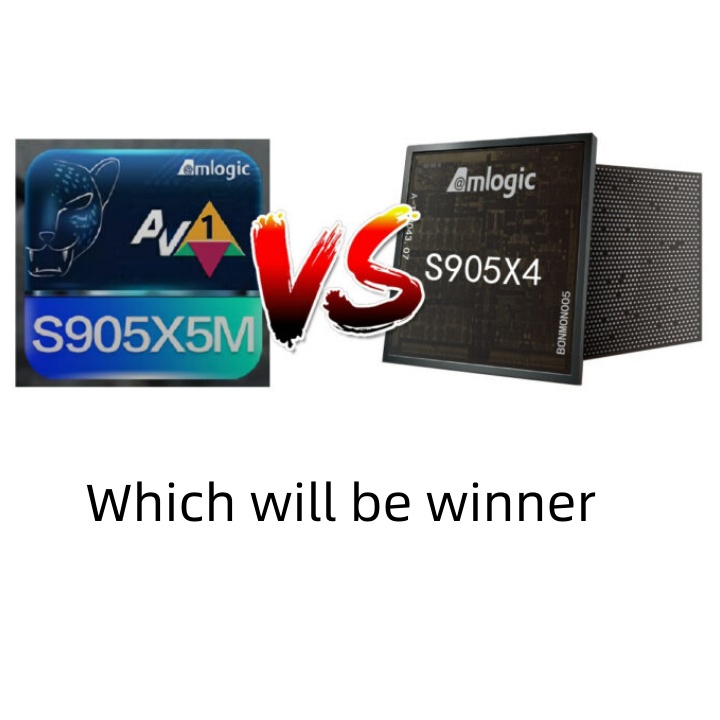
A reputable manufacturer will work closely with major chipmakersâsuch as Amlogic, Rockchip, and Allwinnerâand help you select a chipset tailored to your specific deployment environment. Below is an overview of how these primary SoC vendors compare across key commercial metrics:
| Chipset Vendor | Primary Use Cases | Key Strengths | Key Technical Considerations |
|---|---|---|---|
| Amlogic (e.g., S905X4, S905Y4, S905X5) | Telecom operators, certified Android TV deployments, high-end consumer retail | Superior video processing, native AV1 decoding support, widespread Google/Netflix DRM certification support | Higher silicon cost compared to budget alternatives; stricter MOQ guidelines from factory |
| Rockchip (e.g., RK3528, RK3568, RK3588) | Digital signage, commercial kiosks, hospitality, high-performance industrial media players | Robust I/O expansion (dual LAN, PCIe, RS232), multi-display outputs, excellent Linux and Android AOSP support | Fewer official Google TV certified turnkey platforms compared to operator-focused chips |
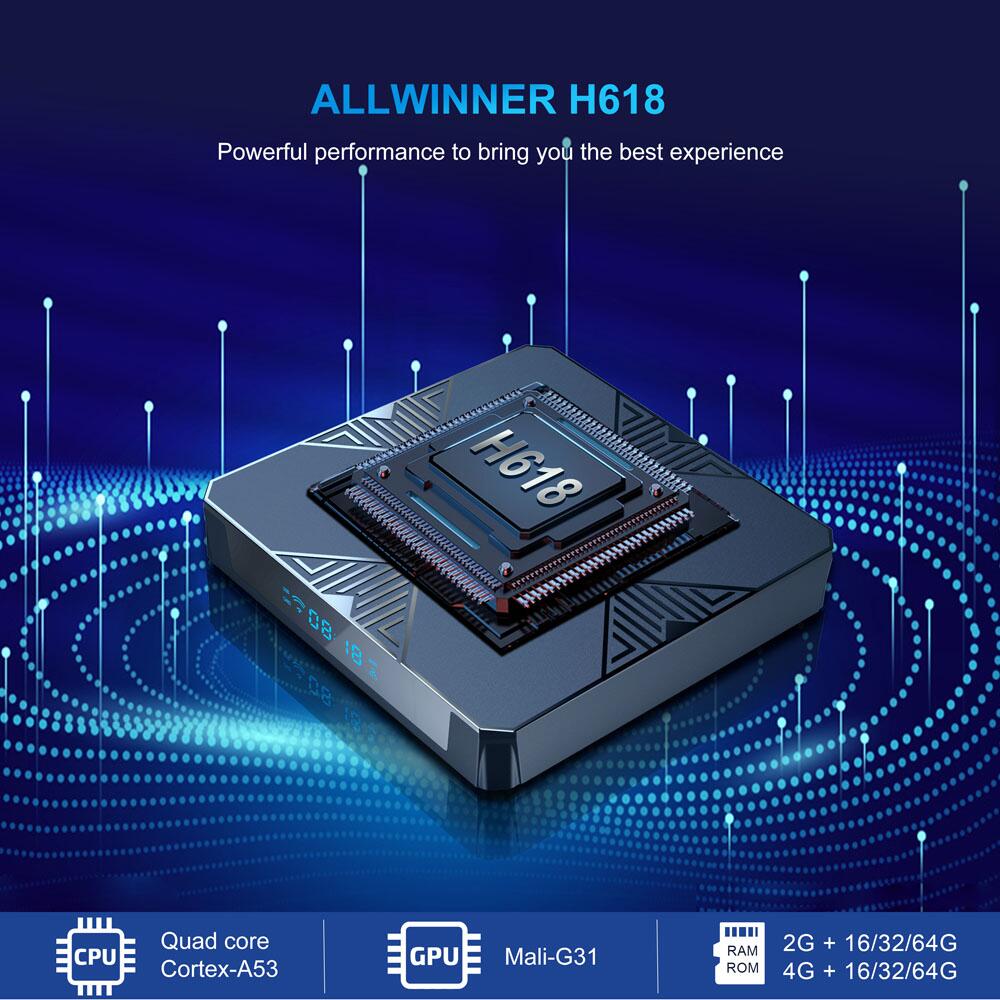
| Allwinner (e.g., H618, H313) | Entry-level retail boxes, cost-conscious promotional deployments, basic IPTV streaming | Highly competitive pricing, adequate 4K decoding for budget markets, flexible motherboard layouts | Limited thermal headroom under heavy load; generally restricted to basic AOSP builds |
Beyond selecting the main processor, pay careful attention to memory and storage specifications. Ensure the factory utilizes genuine, branded DDR3/DDR4 RAM and eMMC flash storage (such as Samsung, SK Hynix, or Kingston). Budget suppliers often lower production costs by using refurbished or low-grade flash memory, leading to system lag, corrupted firmware, and high failure rates after a few months of continuous operational use.
2. Operating System Flexibility and Custom Firmware Engineering
Hardware is only half of the equation; software stability defines the user experience. Depending on your business model, you will need to choose between two main software frameworks: official Android TV (ATV) or the Android Open Source Project (AOSP).
If you are an ISP or retail brand aiming to provide access to Google Play Store services, built-in Chromecast, and official Google Assistant voice control, you will require an official Android TV build. Conversely, if you operate a closed-network IPTV service, digital signage network, or hospitality system, an AOSP build allows for deep software customization without rigid certification restrictions.
When procuring customized OEM Android TV boxes, verify that the manufacturer maintains an in-house software R&D team capable of delivering the following engineering services:
- Custom Launcher and UI Integration: Developing branded home screens that lock down system settings, highlight operator branding, and streamline navigation for non-technical users.
- Pre-installed Applications and Hardcoded Settings: Embedding proprietary middleware, VPN configurations, or streaming applications directly into the system partition so they persist across factory resets.
- Kiosk and Auto-Power Modes: Configuring devices for commercial use, allowing automatic application launch upon booting and preventing end-users from tampering with underlying network settings.
- Private Over-The-Air (OTA) Update Servers: Establishing dedicated OTA update channels so your technical team can push security patches, feature upgrades, and bug fixes remotely across your entire installed device base.
3. Software Licensing, DRM, and Regulatory Compliance
Navigating software licensing and international compliance is a major hurdle when importing electronic devices. Deploying non-compliant hardware can result in customs seizures, patent litigation, or sudden service disconnections by premium content providers.
When sourcing OEM Android TV boxes for commercial distribution, demand clear documentation regarding the following certifications and licensing standards:
- Google Mobile Services (GMS) & Android TV Certification: Confirms that the device meets Google's strict compatibility standards. Uncertified devices risk losing access to the Play Store and core Google APIs without notice.
- Digital Rights Management (DRM) Layers: Delivering premium 4K or HD content requires hardware-level encryption. Verify that the hardware architecture supports Widevine L1 (for Google/Netflix streaming), Microsoft PlayReady, or Verimatrix. Devices with only Widevine L3 will be restricted to standard definition (480p) streaming on premium platforms.
- Audio and Codec Licensing: Ensure the factory maintains legitimate licenses for Dolby Audio, DTS, and HDMI. Importers operating in North America and Europe face strict border controls regarding unlicensed audio codecs and HDMI technology usage.
- Regional Regulatory Compliance: The factory must provide verifiable CE, FCC, RoHS, and WEEE test reports from recognized testing laboratories (such as SGS or TÃV) matching the exact model numbers being imported.
4. Thermal Design and Quality Assurance Protocols
Set-top boxes often run continuously inside enclosed media cabinets or behind wall-mounted commercial displays. Poor thermal management is the primary cause of hardware instability, system freezing, CPU throttling, and premature component degradation.
During factory audits or sample evaluations, analyze how the vendor handles thermal dissipation. Inferior manufacturers rely on tiny, low-cost metal scraps or lightweight aluminum sheets held in place by cheap thermal tape. High-grade facilities engineer custom aluminum heatsinks, utilize premium thermal conductive pads, and incorporate adequate structural airflow vents into the plastic enclosure design.
Furthermore, examine the factory's internal quality assurance (QA) protocols across every stage of the manufacturing workflow:
- Incoming Quality Control (IQC): Automated testing of raw silicon, passive components, power supplies, and bare PCBs prior to assembly.
- Surface-Mount Technology (SMT) Precision: Automated Optical Inspection (AOI) and X-Ray testing machines to detect solder bridges or voids underneath multi-pin BGA chips.
- Full-Load Aging and Burn-In Testing: High-quality factories place 100% of populated mainboards through continuous high-temperature aging chambers for 4 to 24 hours under full video processing loads before final casing packaging.
- Power Supply Adapter Verification: Testing bundled AC power adapters for voltage ripple noise, short-circuit protection, and local safety mark compliance. Faulty power adapters remain one of the most frequent causes of field failures.
5. Industrial Design, Packaging, and Hardware Customization Capabilities
Customization extends far beyond printing a logo on the top plastic cover. A true manufacturing partner offers comprehensive mechanical engineering capabilities to align the physical hardware with your brand identity and operational requirements.
When evaluating potential suppliers for your customized OEM Android TV boxes, review their range of physical customization options:
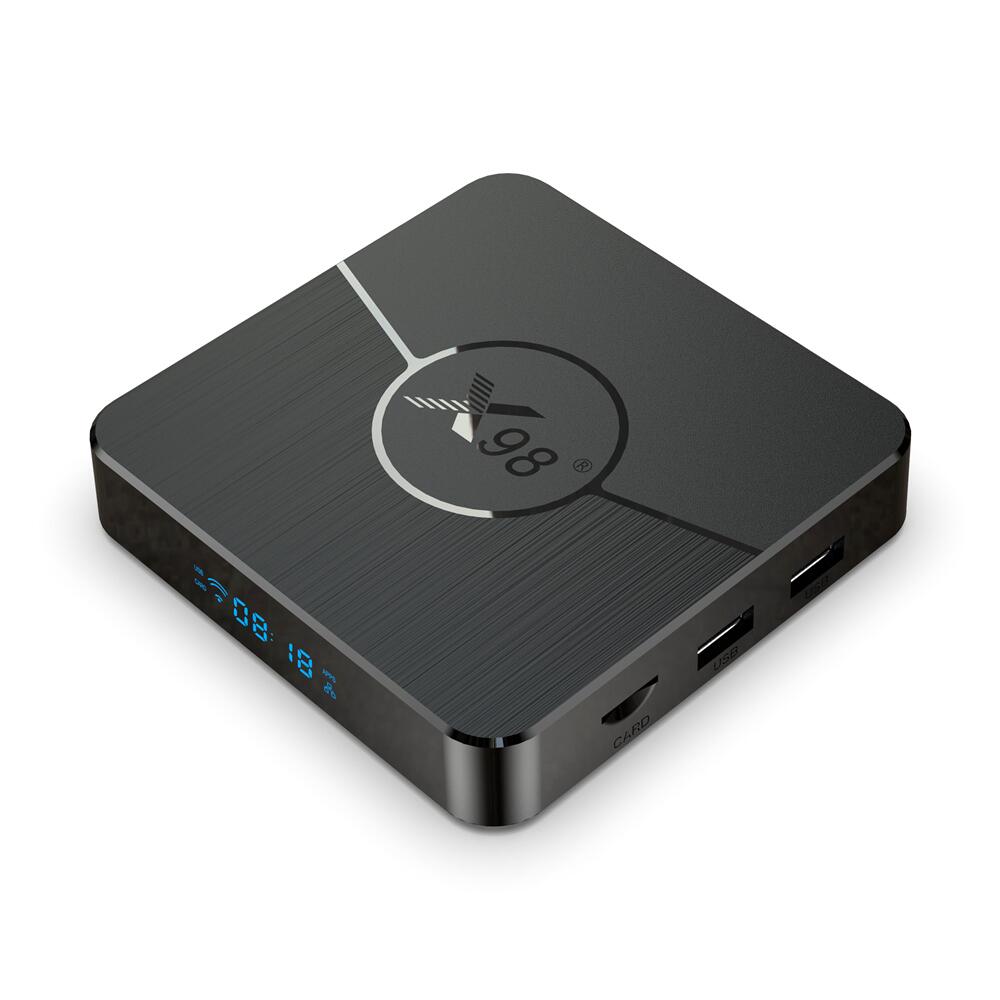
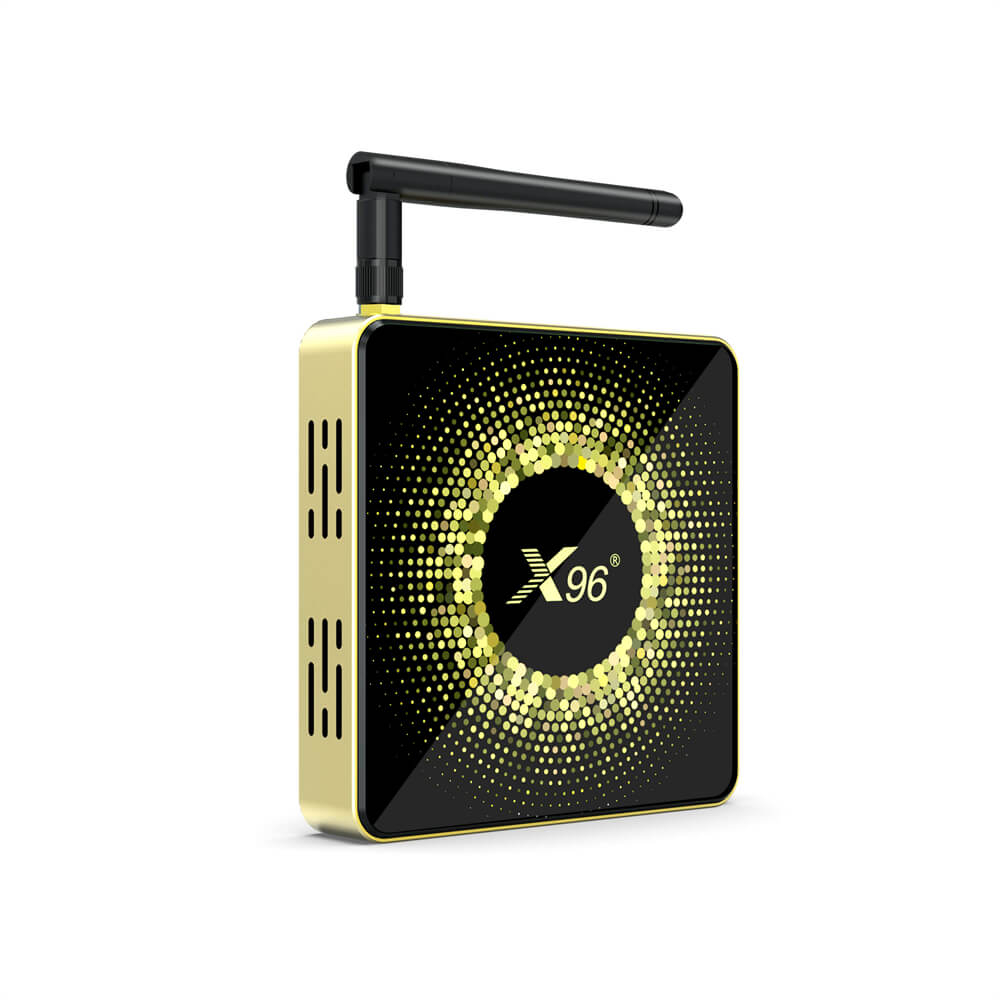
- Enclosure Tooling and Materials: Availability of standard plastic molds, brushed aluminum chassis, or custom private mold creation for exclusive product lines.
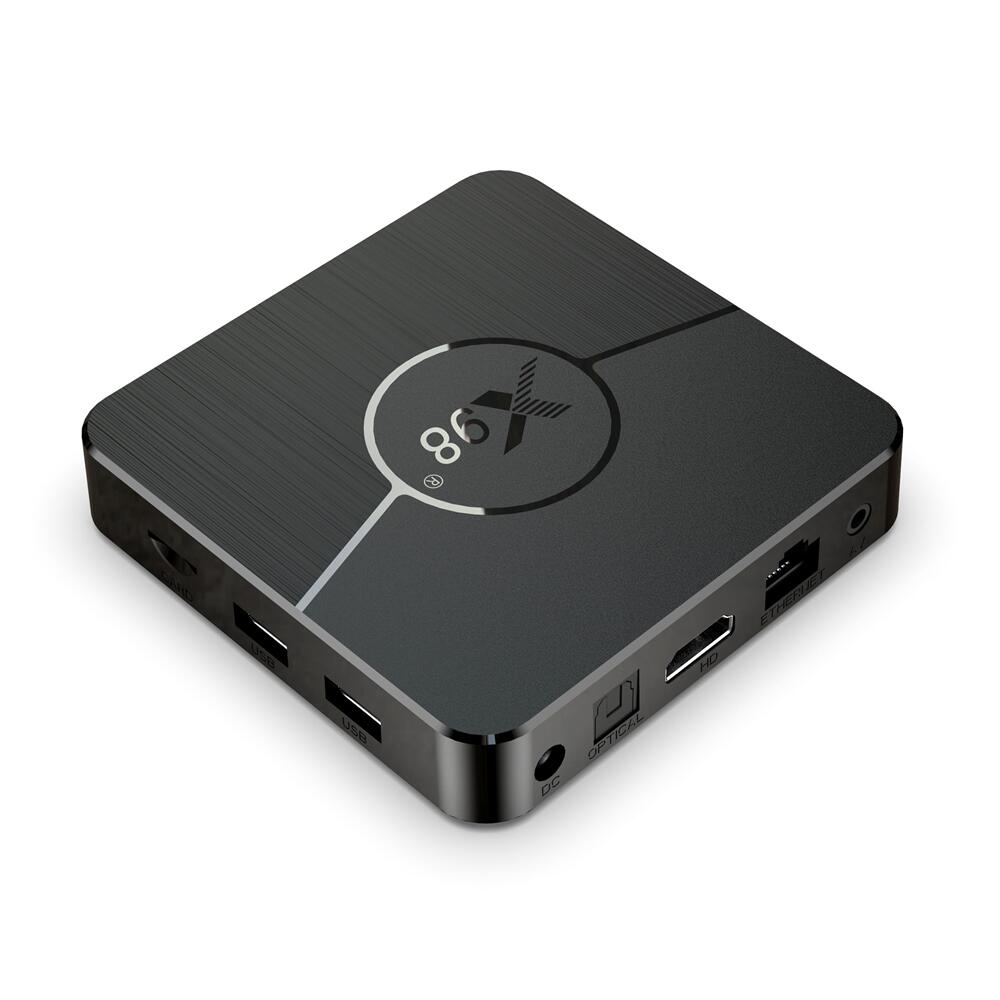
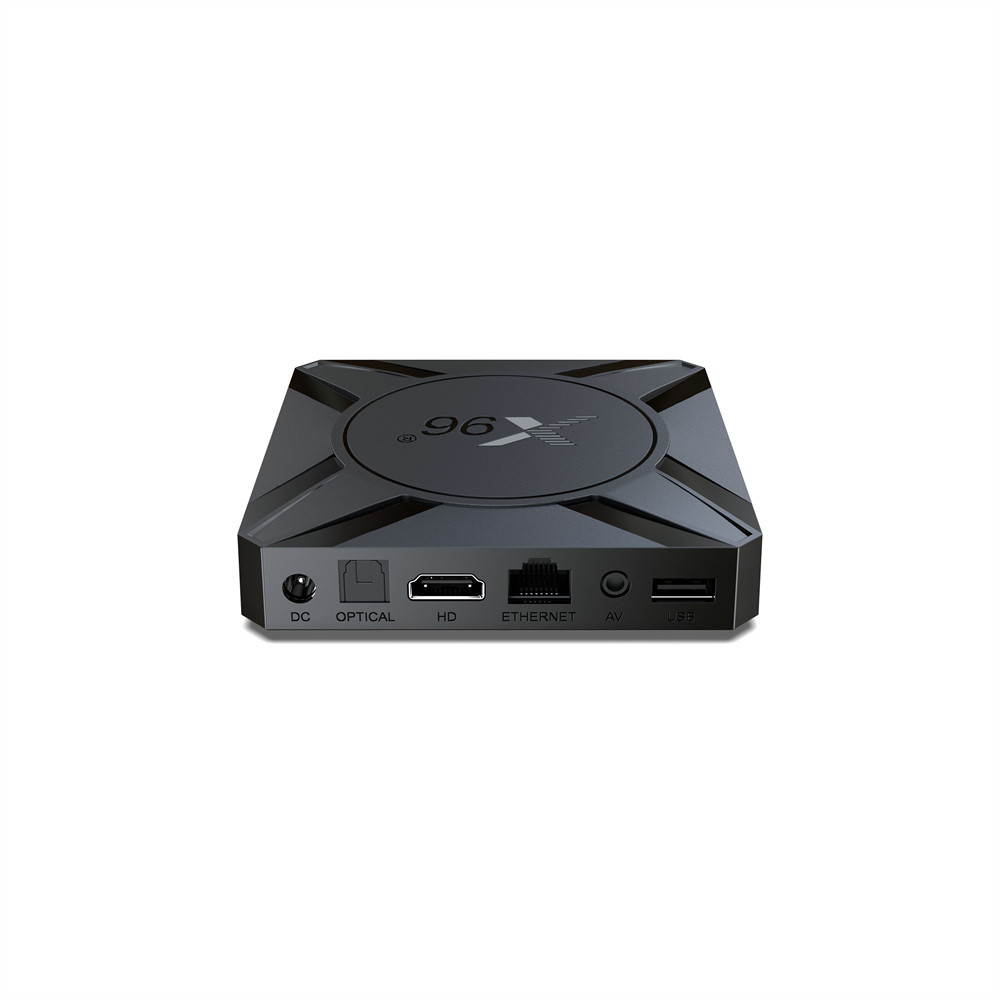
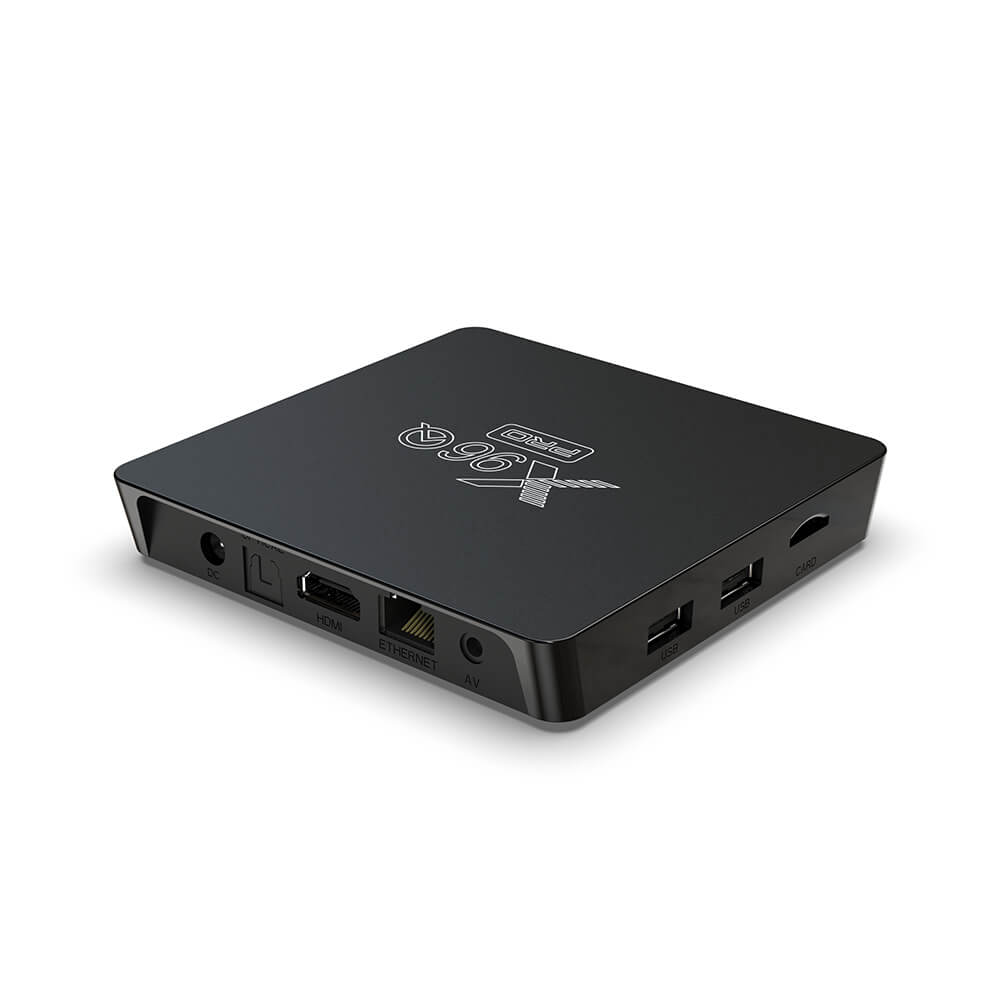
- Custom Port and Interface Configuration: Adding specialized I/O interfaces such as optical S/PDIF, Gigabit Ethernet, TF card slots, dual USB ports, IR extension jacks, or embedded DVB-T2/C/S2 digital TV tuners.
- Remote Control Customization: Engineering custom infrared (IR) or Bluetooth Low Energy (BLE) voice remote controls featuring dedicated brand shortcuts, custom button layouts, and ergonomic enclosures.
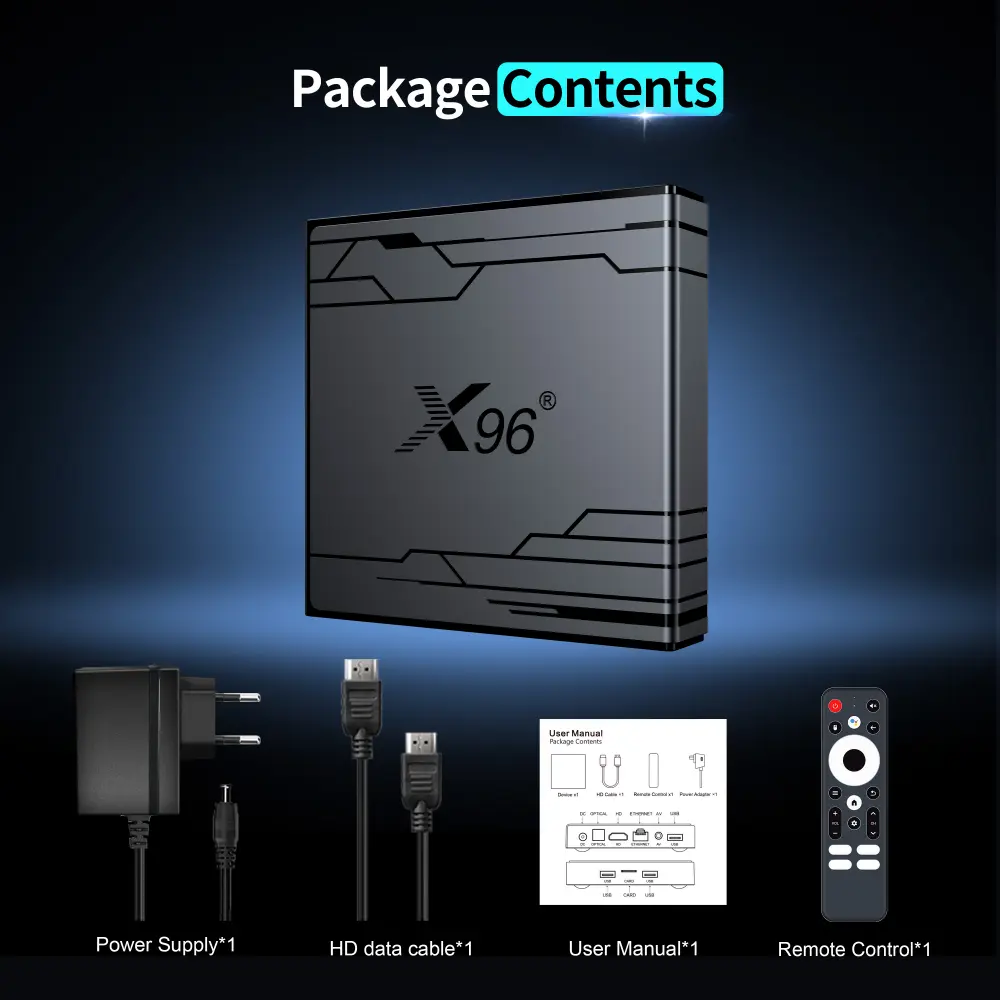
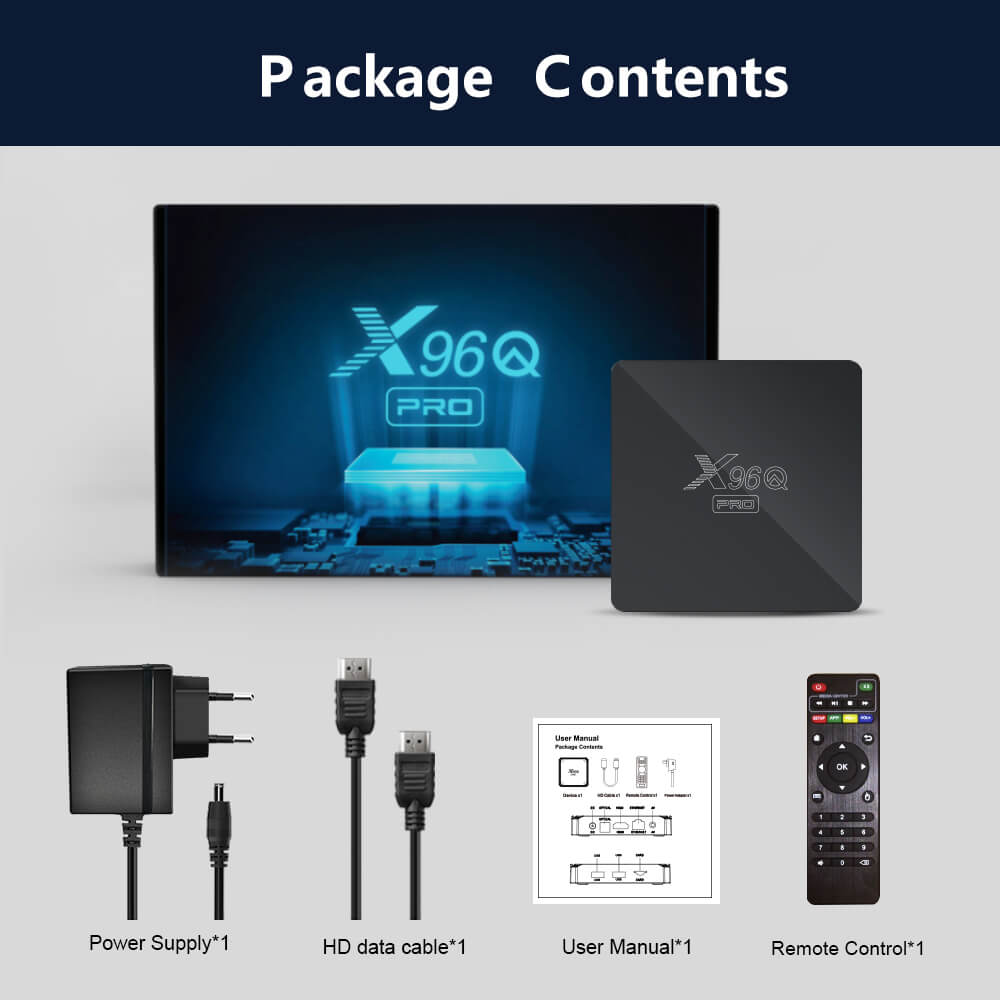
- Retail and Operator Packaging: Designing fully branded gift boxes, user manuals, quick-start guides, custom barcodes, and outer master carton packaging tailored for retail shelves or technician deployment.
6. Supply Chain Transparency and Component Longevity
In the fast-moving consumer electronics sector, chipsets and electronic components frequently reach End-of-Life (EOL) status. For enterprise operators deploying thousands of units, maintaining a stable hardware platform over a 3 to 5-year deployment cycle is vital for operational consistency.
A trustworthy production partner maintains long-term supply agreements with major component vendors and provides clear visibility into their supply chain roadmap. Ask prospective suppliers about their component lifecycle management policy:
- How far in advance do they issue formal Product Change Notifications (PCNs) or End-of-Life notices?
- Do they guarantee exact hardware component consistency across repeat production batches, preventing unexpected mainboard revisions without client approval?
- What secondary supplier options exist for critical components like Wi-Fi modules or flash storage during global silicon shortages?
Transparency regarding component origin protects your investment and ensures that software builds developed today remain fully compatible with hardware produced years down the line.
7. After-Sales Technical Support and Service-Level Agreements
The relationship with your hardware manufacturer does not end when the shipping container leaves the factory floor. Long-term commercial success depends on ongoing technical support, warranty enforcement, and rapid issue resolution.
When selecting a factory for long-term production of OEM Android TV boxes, establish clear service-level agreements (SLAs) covering the following operational areas:
- Warranty Terms and Defect Spare Parts: Standard agreements should include a 12 to 24-month hardware warranty, alongside an allocation of 1% buffer mainboards and key accessories included in every production shipment for immediate field replacement.
- Dedicated Engineering Support: Direct access to senior software and hardware engineers (via dedicated communication channels) who can quickly diagnose low-level kernel bugs, resolve driver conflicts, or patch unexpected network compatibility issues.
- Acceptable Quality Limit (AQL) Standards: Formalizing clear production acceptance standards (typically AQL 0/1.0/1.5 for critical, major, and minor defects) backed by pre-shipment inspection rights through third-party auditing firms.
Strategic Procurement Workflow: From Sample to Mass Production
To minimize commercial risk and streamline product rollout, follow a structured, step-by-step procurement methodology when launching a new project:
- Define Detailed Technical RFQ: Document all hardware, software, certification, and packaging specifications before approaching vendors to ensure precise apples-to-apples price comparisons.
- Evaluate Golden Samples: Request 3 to 5 fully customized engineering samples from shortlisted factories. Conduct comprehensive stress testing, thermal measurements, Wi-Fi performance testing, and UI validation.
- Perform On-Site or Third-Party Factory Audit: Inspect the production facility's SMT lines, burn-in chambers, ESD protection systems, and ISO quality management workflows.
- Initiate Pilot Trial Run (100 to 500 Units): Run a small pilot production batch to test the factory's software flashing consistency, packaging quality, and supply chain readiness prior to full mass production.
- Scale to Full Production: Execute mass production with clear milestone-based payment structures linked to passing independent pre-shipment quality inspections.
Building a Resilient Hardware Manufacturing Partnership
Sourcing hardware from an overseas production hub offers immense cost advantages and gives your business complete control over the end-user experience. However, achieving long-term market success requires partnering with a manufacturer that prioritizes engineering precision, software compliance, thermal reliability, and supply chain transparency over short-term cost cutting.
By evaluating potential vendors against these seven core criteria, procurement teams can avoid common industry pitfalls, secure high-performing hardware, and build a scalable foundation for their streaming, IPTV, or commercial media services.
Leave a comment
All fields marked with an asterisk(*) are required