Amlogic S905Y5 vs S905Y4: Next-Gen TV Box SoC Comparison Guide
The fast-paced evolution of global video streaming standards and streaming media platforms continues to place greater performance demands on client-side silicon. Telecom operators, pay-TV providers, and consumer electronics brands are constantly seeking low-power, cost-effective System-on-Chip (SoC) platforms that can handle increasingly complex video codecs, user interfaces, and artificial intelligence tasks. Within the realm of compact dongles and cost-optimized set-top boxes, Amlogic's Y-series processors have long been regarded as the benchmark platform for certified Android TV and Google TV deployments.
For several years, the Amlogic S905Y4 served as the flagship workhorse for mid-range streaming sticks and compact set-top boxes, delivering high-efficiency 4K AV1 video decoding at accessible manufacturing costs. However, as software applications become more resource-intensive and streaming networks push higher bitrates, the market is turning its attention to its direct successor: the Amlogic S905Y5. Choosing between these two chipsets directly impacts hardware design, thermal management, software lifecycle longevity, and total bill of materials (BOM) costs. This technical evaluation compares the S905Y5 against the S905Y4 to help procurement managers, hardware engineers, and product managers select the optimal silicon platform for upcoming hardware deployments.
Overview of the Amlogic Y-Series Silicon Roadmap
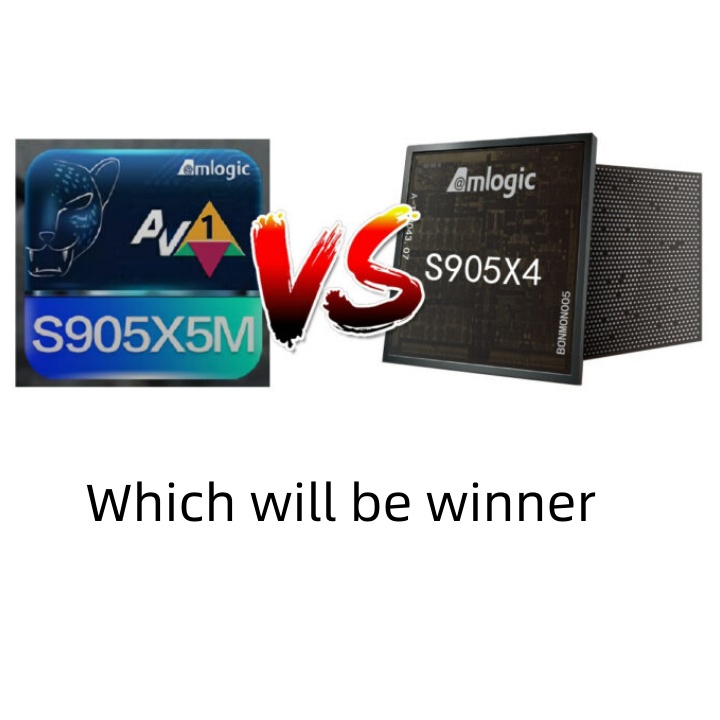
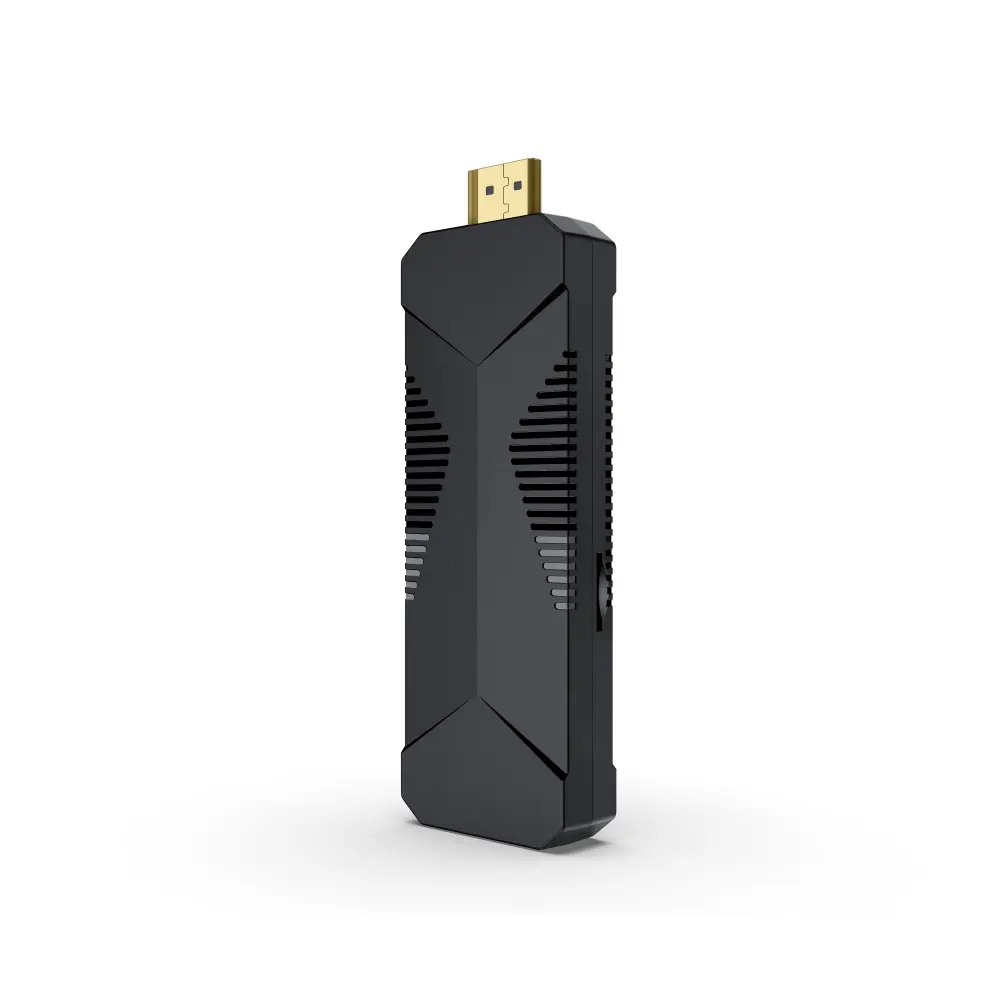
Amlogic categorizes its video processing silicon into distinct families. While the X-series (such as the S905X4) caters to traditional set-top boxes requiring extensive input/output interfaces, Ethernet connectivity, and multiple USB controllers, the Y-series is specifically designed for small-form-factor devices. These include HDMI streaming sticks, ultra-compact OTT boxes, and low-power TV dongles where PCB footprint, low power consumption, and passive thermal dissipation are top design priorities.
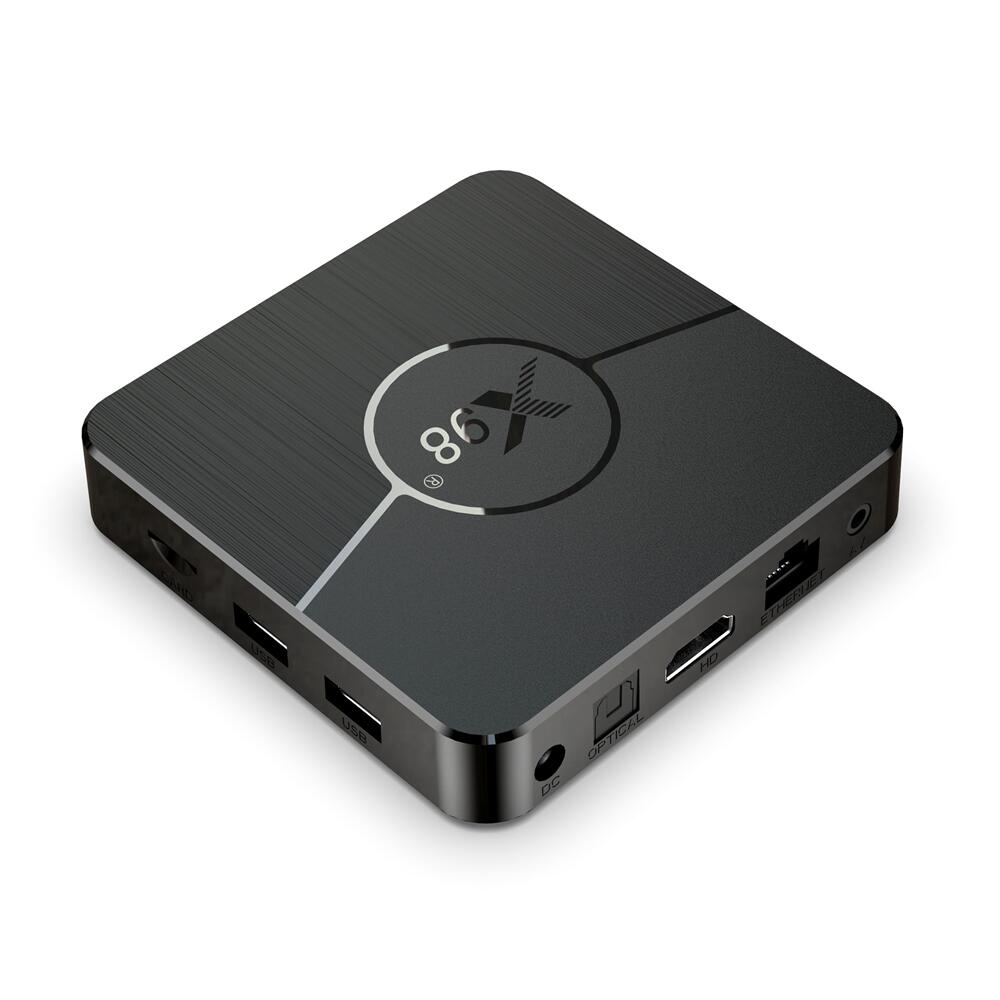
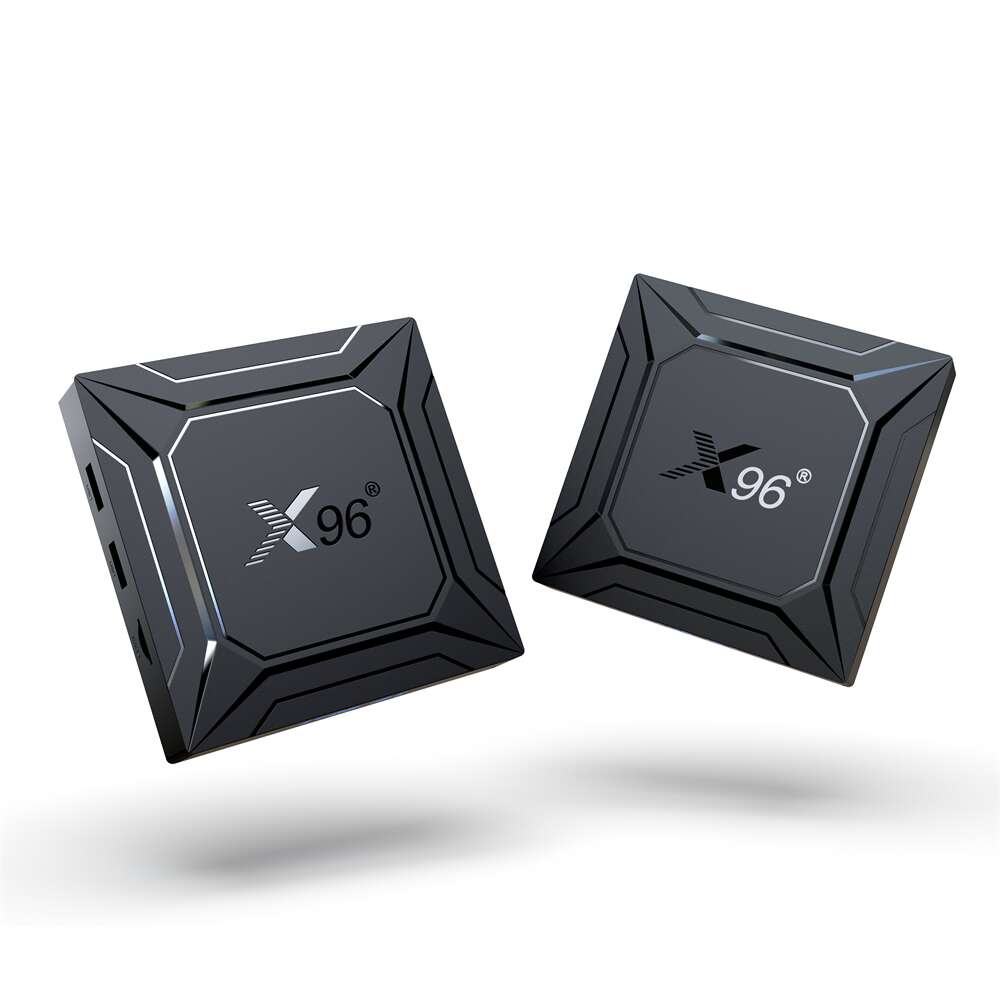
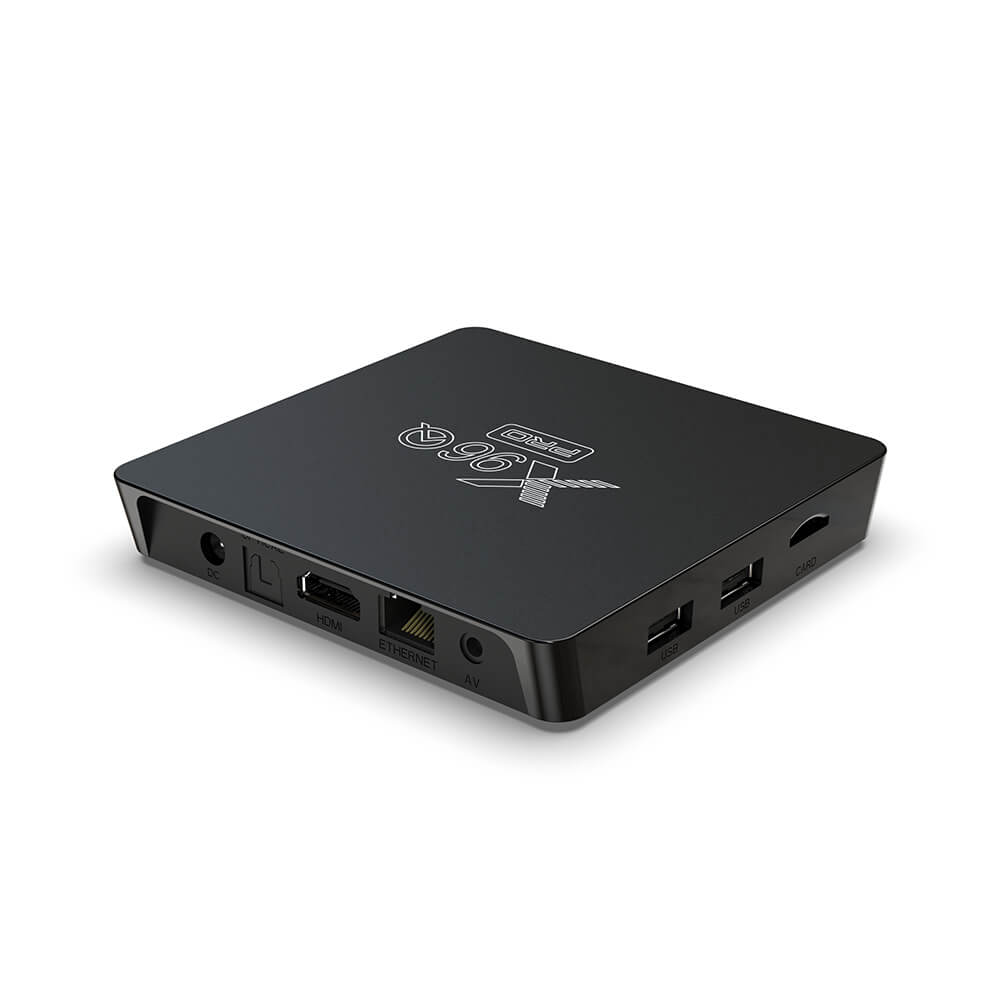
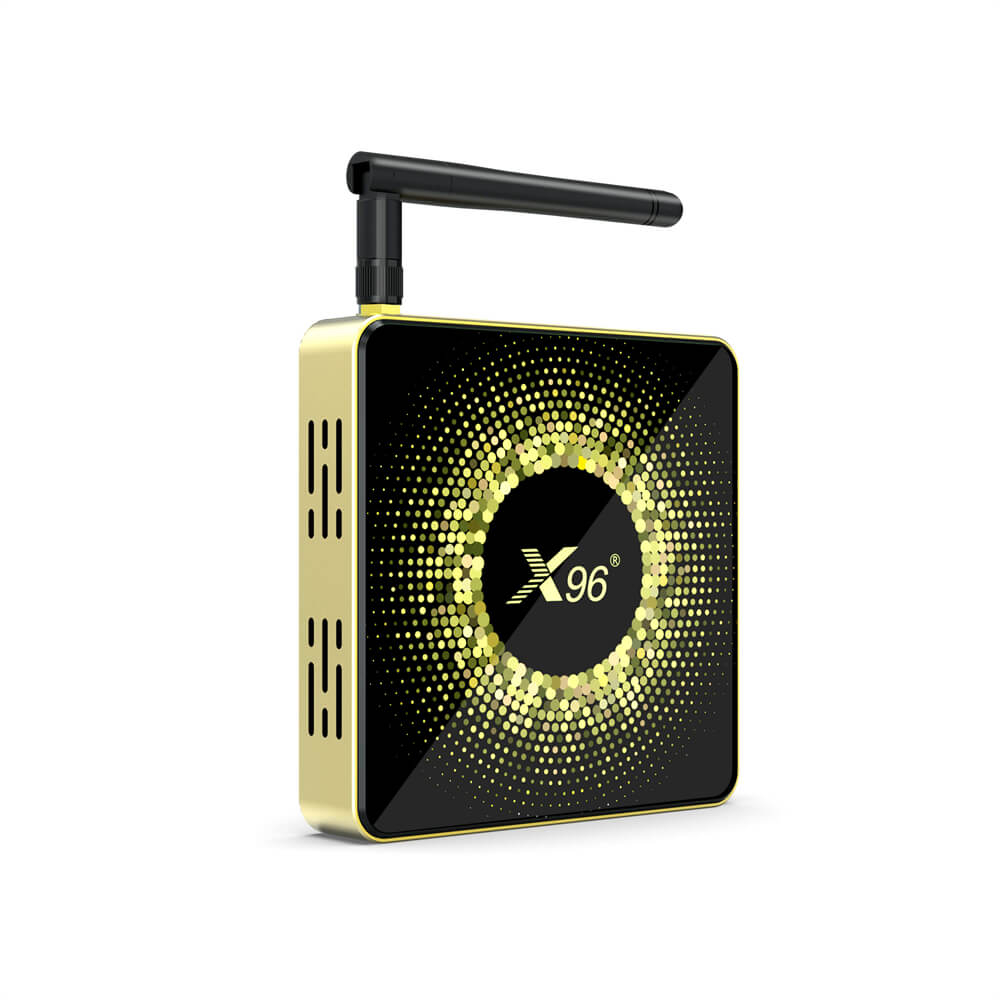
The introduction of the S905Y4 marked a major industry shift by bringing hardware-level AV1 decoding and low-power 12nm manufacturing nodes to high-volume dongle designs. The newer S905Y5 builds upon this architecture, making key improvements in CPU core layout, system bus efficiency, memory bandwidth utilization, and software ecosystem support. For brands planning new product launches, deploying modern amlogic s905Y5 TV Boxes offers a clear path to future-proof hardware platforms against evolving Android TV OS requirements and upcoming streaming protocols.
Detailed Hardware Architecture and Specification Comparison
Understanding the microarchitecture differences between the S905Y5 and S905Y4 requires examining their core components: CPU processing clusters, graphics engines, memory controllers, and peripheral support.
| Technical Specification | Amlogic S905Y4 | Amlogic S905Y5 |
|---|---|---|
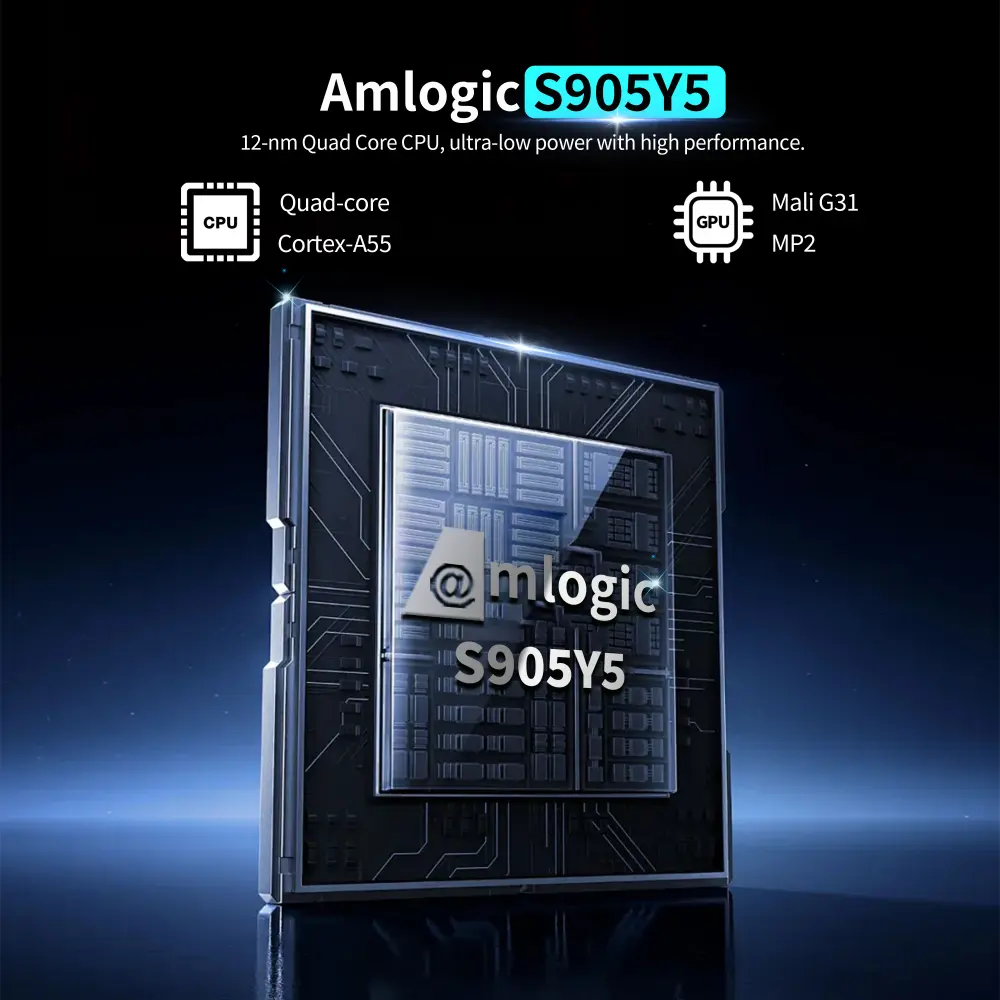
| CPU Architecture | Quad-core ARM Cortex-A35 | Quad-core ARM Cortex-A55 (High Efficiency) |
| Process Node | 12nm FinFET | 12nm Low-Power Process Node |
| GPU Architecture | ARM Mali-G31 MP2 | ARM Mali-G31 MP2 (Higher System Bus Efficiency) |
| Video Codec Support | 4K@60fps AV1, H.265/HEVC, VP9 Profile 2, AVS2 | 4K@60fps AV1, H.265/HEVC, VP9 Profile 2, AVS2, Enhanced HDR10+ / Dolby Vision processing (Note: Dolby Vision requires Dolby license & firmware integration) |
| Memory Type Support | LPDDR3 / LPDDR4 / DDR4 | LPDDR4 / LPDDR4X / DDR4 with optimized memory controller bandwidth |
| HDMI Output Standard | HDMI 2.1a (up to 4K60, HDCP 2.3) | HDMI 2.1a (up to 4K60, HDCP 2.3) |
| Security & DRM | ARM TrustZone, Widevine L1, PlayReady 3.0 | Enhanced Hardware Root of Trust, PlayReady 3.0, Optional Widevine L1 integration |
1. CPU Performance and Processing Efficiency
The primary performance upgrade in the S905Y5 lies in its CPU execution units. While the S905Y4 utilizes a quad-core ARM Cortex-A35 layout focused heavily on ultra-low power consumption, it can experience temporary CPU bottlenecks when handling resource-heavy Android TV user interfaces, complex animation shaders, or demanding multitasking workloads.
The S905Y5 upgrades the processing pipeline to a quad-core ARM Cortex-A55 architecture, yielding a notable uplift in instructions per clock (IPC). In real-world operation, this translates to faster cold-boot times, snappier application launch speeds, smoother navigation across rich content carousels, and improved responsiveness when executing voice assistant commands. For operators deploying custom launchers and middleware stacks, the increased CPU headroom provided by modern amlogic s905Y5 TV Boxes ensures reliable UI rendering without frame drops.
2. Graphics, Rendering, and Display Engine Optimization
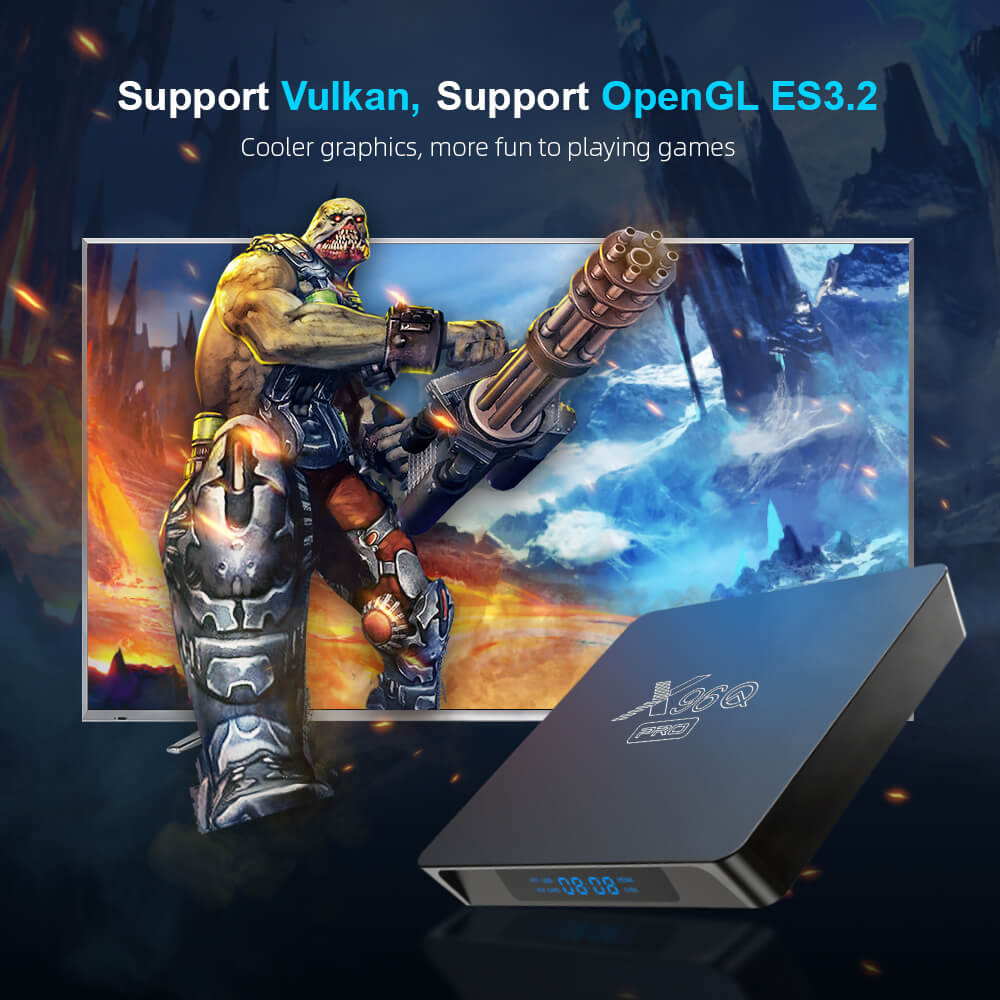
Both the S905Y4 and S905Y5 integrate the reliable ARM Mali-G31 MP2 GPU, which supports essential graphics APIs including OpenGL ES 3.2, Vulkan 1.2, and OpenCL 2.0. This dual-core GPU setup provides an efficient balance between 3D UI rendering and power constraints in compact streaming stick form factors.
While the GPU architecture remains Mali-G31 MP2 across both platforms, the S905Y5 benefits from an updated internal bus design and enhanced memory bandwidth utilization. These system-level refinements allow the GPU to maintain more stable frame rates when rendering transparent overlays, dynamic video previews, and high-resolution 4K user interface elements, preventing UI micro-stutter during peak processing tasks.
3. Video Decoding, AV1 Codec Handling, and HDR Processing
Video processing performance is the centerpiece of any set-top box silicon. Both chipsets support hardware decoding for 4K video streams encoded in AV1, H.265 (HEVC), VP9 Profile 2, and AVS2 at up to 60 frames per second. The AV1 codec provides up to 30% better bandwidth compression efficiency compared to standard H.265, allowing streaming platforms like YouTube, Netflix, and Prime Video to deliver pristine 4K image quality at lower network bitrates.
The S905Y5 refines video pipeline processing by offering enhanced dynamic High Dynamic Range (HDR) processing capabilities. Its updated video processing unit (VPU) handles color space conversions, tone mapping, and dynamic metadata for HDR10, HDR10+, and Dolby Vision with greater precision and reduced memory bandwidth overhead. It is important for hardware buyers to note that while the S905Y5 VPU pipeline supports Dolby Vision processing paths, implementing Dolby Vision on commercial devices requires official Dolby licensing and custom firmware integration.
Power Consumption, Thermal Design, and Form Factor Considerations
Compact HDMI dongles present severe physical limitations regarding heat dissipation. Unlike full-sized set-top boxes, which can accommodate heavy aluminum heatsinks and internal airflow channels, TV sticks rely on passive thermal radiation across tight plastic enclosures. Excessive heat generation triggers internal thermal throttling, causing the CPU to reduce operational clock speeds, which leads to user interface lag, stuttering, or unexpected system reboots.
The S905Y4 established a strong benchmark for thermal efficiency operating on a 12nm manufacturing process, drawing minimal power during continuous 4K video playback. The S905Y5 maintains the efficient 12nm process node while refining its overall thermal profile through optimized power management units (PMU) and improved dynamic voltage and frequency scaling (DVFS) algorithms.
Engineering benefits of the lower thermal footprint offered by amlogic s905Y5 TV Boxes include:
- Reduced Mechanical Weight: Allows factory engineers to reduce internal heatsink dimensions without increasing ambient operational temperatures.
- Consistent Performance Under Heavy Loads: Minimizes thermal throttling during extended 4K HDR playback sessions in elevated ambient temperature environments.
- Enhanced Power Supply Compatibility: Operates reliably when powered directly via standard 5V/1A USB ports on target TV sets, eliminating the need for bulky external power bricks in dongle deployments.
Software Ecosystem, Android TV/Google TV Certification, and Security
For B2B buyers, hardware specifications represent only part of the evaluation equation. Long-term commercial success depends on software OS compatibility, Google/Netflix licensing pathways, and hardware security features.
Android TV OS Lifecycle Compatibility
Google continues to update the Android TV operating system, adding strict memory management guidelines, higher security standards, and mandatory API requirements with each major Android release. While the S905Y4 supports Android TV versions 11 and 12 reliably, its Cortex-A35 CPU limits may restrict future upgradability as newer OS versions demand higher processing capabilities.
The S905Y5 was engineered with modern Android OS builds in mind, providing seamless support for Android TV 12, Android TV 14, and future operating system updates. Choosing current-generation amlogic s905Y5 TV Boxes provides operators with a longer software lifecycle, reducing early device obsolescence and extending field operational lifespans to 5-7 years.
Hardware Security and Content Protection DRM
Delivering high-value pay-TV, live sports, and premium OTT content requires hardware-level security to prevent content piracy and unauthorized stream scraping. Both the S905Y4 and S905Y5 incorporate ARM TrustZone architecture, secure boot keys, and hardware cryptographic engines supporting Microsoft PlayReady 3.0 and optional Widevine L1 integration.
The S905Y5 features an Enhanced Hardware Root of Trust, giving OEM/ODM partners a solid foundation to build certified software builds. However, procurement teams should remember that Widevine L1 compliance depends on obtaining official Google licensing and passing automated test suites (CTS/VTS) during factory software integration.
B2B Procurement and Manufacturing Analysis
When choosing between the S905Y4 and S905Y5 for commercial volume production, procurement managers must evaluate several practical criteria, including component lifecycle, lead times, and total bill of materials (BOM) costs.
1. Unit Cost vs. Feature Value
As a mature, widely produced silicon platform, the Amlogic S905Y4 benefits from high manufacturing yields and low unit costs. For projects where unit cost is the absolute primary driverâsuch as low-cost promotional giveaways or budget retail deploymentsâthe S905Y4 remains a viable choice.
Conversely, while the S905Y5 carries a slight silicon price premium over its predecessor, the cost difference is often offset by its Cortex-A55 performance gains, lower return rates due to thermal stability, and extended software support lifecycle. Investing in amlogic s905Y5 TV Boxes offers higher value for operators looking to minimize subscriber churn and reduce post-deployment customer service calls.
2. Component Availability and Lifecycle Management
The S905Y4 is in the mature phase of its production lifecycle. While Amlogic continues to manufacture it in large volumes, semiconductor vendors gradually shift engineering support and production capacity toward newer silicon families over time. The S905Y5 represents the future of Amlogic's compact streaming roadmap, guaranteeing component availability, active firmware driver patches, and technical support from the chipmaker well into the next decade.
Step-by-Step Selection Guide for B2B Hardware Buyers
To help guide your hardware decision, follow this evaluation methodology when choosing between the S905Y4 and S905Y5 platforms:
- Identify Primary Device Form Factor: If designing an ultra-compact HDMI stick with minimal surface area for thermal dissipation, prioritize the S905Y5 for its improved thermal efficiency and processing headroom.
- Determine Target OS Version and Lifecycle Target: If your project roadmap requires long-term upgrade capability to Android TV 14 and beyond, select the S905Y5. If deploying a fixed AOSP build with static software requirements, the S905Y4 may suffice.
- Assess UI and Middleware Complexity: Evaluate your custom launcher and software middleware stack. If your application features rich graphics, dynamic video previews, or voice assistant integration, the Cortex-A55 CPU and enhanced memory bandwidth of the S905Y5 will deliver a smoother user experience.
- Request Factory Reference Boards and Golden Samples: Obtain engineering evaluation boards for both platforms from your OEM/ODM manufacturing partner. Conduct side-by-side benchmark testing, monitoring power draw, thermal saturation, cold boot speed, and video frame drop rates under identical testing conditions.
Recommended Commercial Deployment Scenarios
Both chipsets occupy distinct positions within the global set-top box hardware landscape. Below are the recommended deployment scenarios for each platform:
Choose Amlogic S905Y4 Platforms For:
- Cost-sensitive regional IPTV deployments requiring basic 4K H.265 and AV1 video playback capabilities.
- Entry-level retail HDMI dongles designed for price-conscious consumer markets.
- Projects with tight immediate delivery deadlines where existing factory PCB designs and housing molds for the S905Y4 are readily available for instant volume production.
Choose Amlogic S905Y5 Platforms For:
- Tier-1 Telecom, ISP, and Pay-TV operator deployments demanding certified Google TV or Android TV operator tier platforms with extended multi-year support lifecycles.
- Next-generation 4K streaming sticks and compact OTT devices where UI fluidness, rapid app launching, and responsive voice search are core brand differentiators.
- Commercial digital signage networks, hospitality interactive TV systems, and enterprise media applications requiring maximum operational reliability in continuous passive cooling environments.
Strategic Conclusions for Hardware Product Managers
The transition from the Amlogic S905Y4 to the S905Y5 represents a logical step forward in compact set-top box processing. While the S905Y4 established high standards for cost-effective 4K AV1 streaming, the S905Y5 addresses its predecessor's CPU processing limits by adopting Cortex-A55 cores, delivering a responsive user experience capable of meeting modern streaming requirements.
For brands and telecom operators planning hardware rollouts, choosing amlogic s905Y5 TV Boxes provides a future-proof, thermally efficient foundation that balances hardware performance against long-term operational costs. Partnering with an experienced OEM/ODM manufacturer allows you to leverage these architectural improvements, ensuring your custom hardware deployment delivers stable, reliable entertainment experiences to end-users worldwide.

Leave a comment
All fields marked with an asterisk(*) are required