Allwinner H626 vs H616 TV Box: Comprehensive Buying Guide for Wholesale & OEM
In the rapidly evolving digital entertainment ecosystem, choosing the right System on Chip (SoC) forms the structural foundation of a successful streaming hardware product. For B2B importers, brand owners, regional distributors, and telecom operators sourcing hardware from China, selecting between mainstream entry-level and mid-tier SoCs directly impacts product stability, long-term brand reputation, and profit margins. Within the current market landscape, Allwinner Technology remains a prominent silicon designer for budget-conscious, high-performance streaming media players. Two silicon platforms frequently cross the desks of hardware sourcing teams: the seasoned Allwinner H616 and its refreshed counterpart, the H626 chipset.
As an established OEM/ODM manufacturer headquartered in Shenzhen, China, our engineering and procurement teams regularly test, build, and deploy high-volume production lines based on these platforms. While both chips address similar price-performance brackets, subtle differences in silicon process node, thermal management, peripheral controller integration, video decoding efficiency, and firmware support cycles create clear operational distinctions. This detailed buyer guide provides an insider, factory-level analysis of the Allwinner H626 vs H616 ecosystem to assist global buyers in making informed procurement decisions.
Understanding the Core Architectures: Allwinner H616 and H626
To evaluate which platform best serves your targeted retail or commercial market, it is essential to look beyond marketing datasheets and examine the silicon architectures at the board-level. Both processors are designed primarily for OTT (Over-The-Top) set-top boxes, digital signage solutions, and commercial multimedia hubs requiring continuous 4K decoding capabilities.
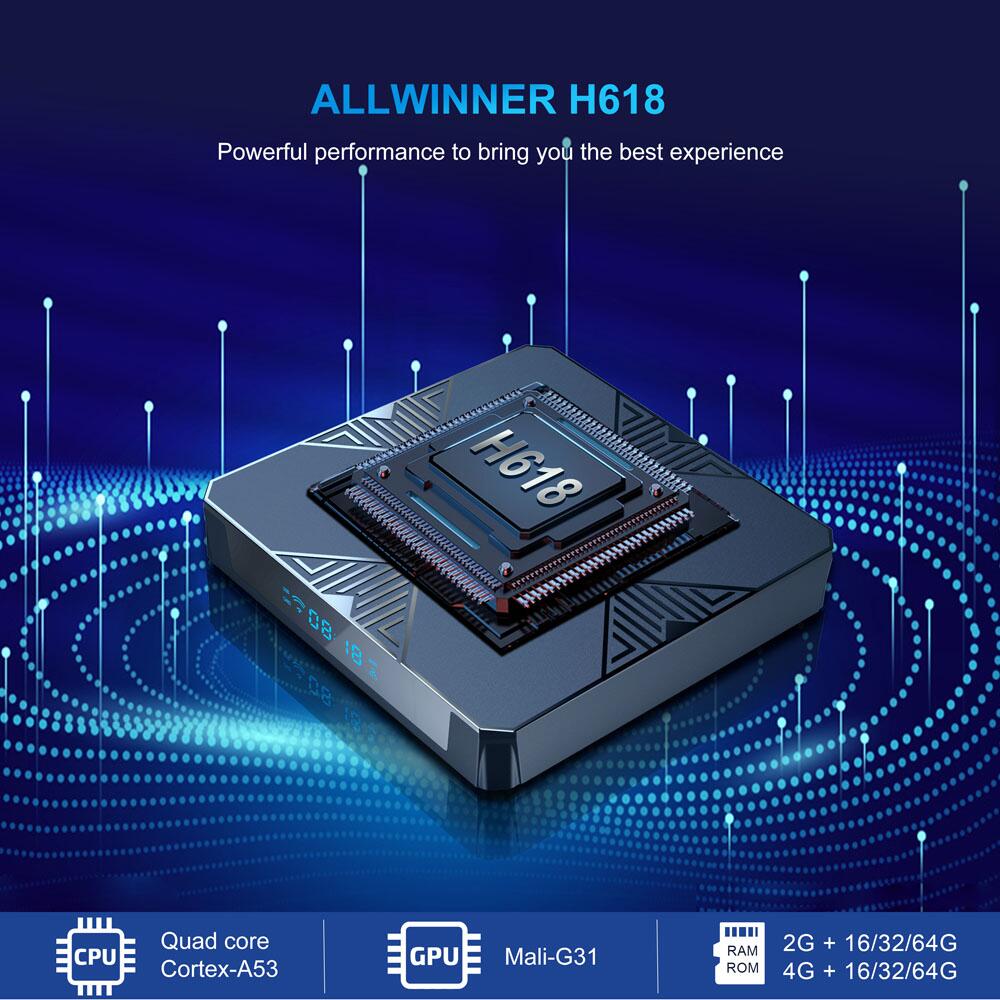
The Allwinner H616 has long been a workhorse across global wholesale markets. Built on a 28nm process node, it incorporates a quad-core ARM Cortex-A53 CPU paired with a Mali-G31 MP2 graphics processor. It delivered a major performance jump over earlier 32-bit platforms by offering native 64-bit processing, robust Android TV OS compatibility, and hardware decoding for modern codecs like HEVC/H.265 and VP9 Profile 2 up to 4K resolution at 60 frames per second.
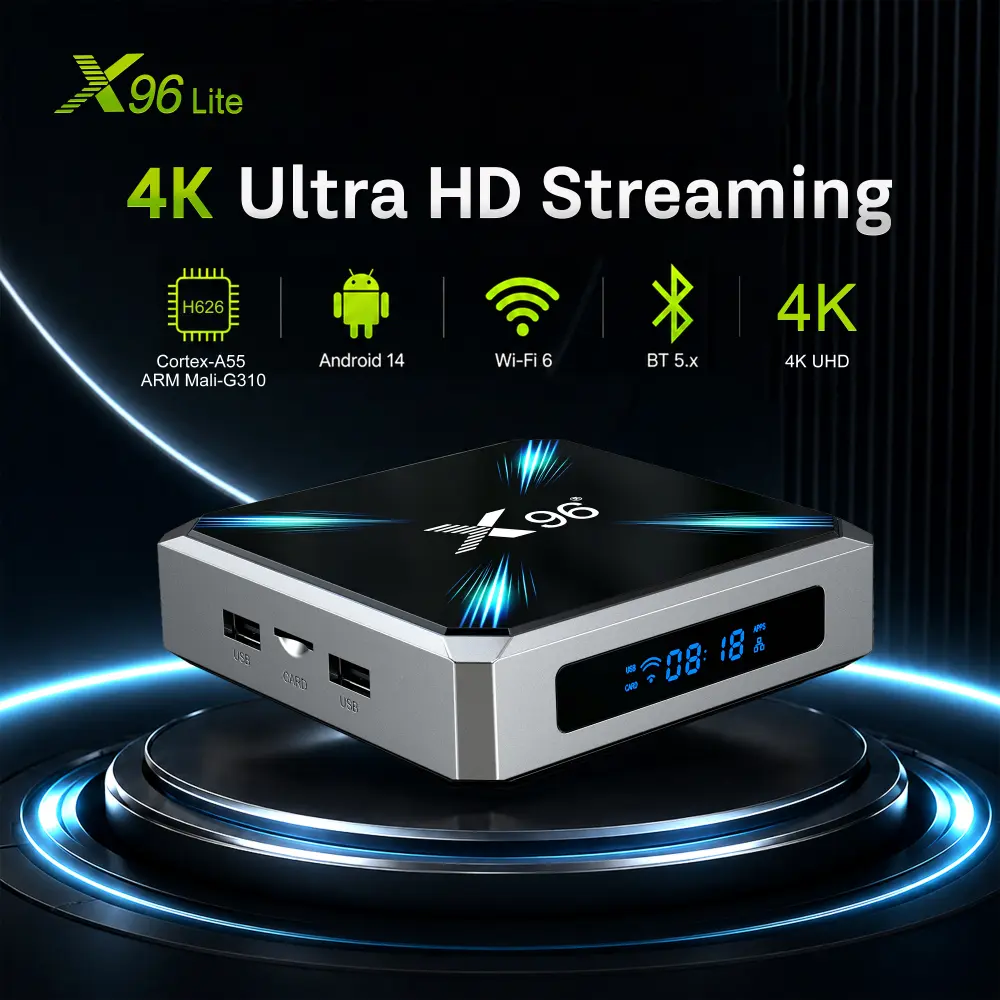
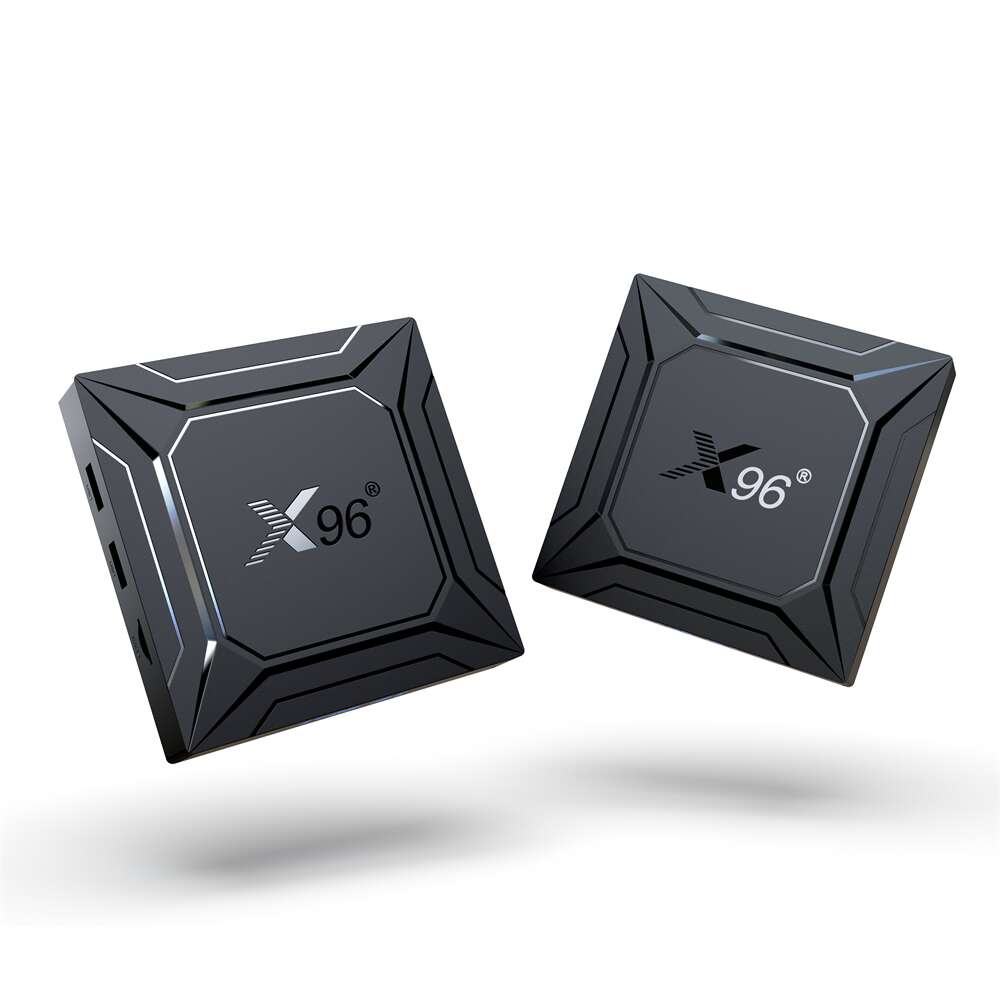
As streaming requirements evolved, demand grew for improved thermal dissipation, better memory controller efficiency, native AV1 hardware decoding, and tighter integration with modern Wi-Fi/Bluetooth combo chipsets. The introduction of the Allwinner H626 tv box addresses these manufacturing requirements. Built on a 22nm process node, while maintaining a similar quad-core ARM Cortex-A53 CPU foundation, the H626 platform features refined power distribution networks, optimized internal bus architectures, and revised peripheral interface controllers. This smaller process node is the primary reason for reduced heat output. These physical board modifications help reduce ambient heat generation during prolonged 4K playback and streamline board design for high-yield, automated SMT assembly.
Technical Specifications Comparison
The table below provides a structural overview comparing key hardware parameters between standard production models built on both SoCs. These specifications reflect typical configurations deployed in high-volume OEM/ODM manufacturing facilities.
| Hardware Specification | Allwinner H616 Configuration | Allwinner H626 Configuration |
|---|---|---|
| Process Node | 28nm | 22nm |
| CPU Architecture | Quad-Core ARM Cortex-A53 @ up to 1.5 GHz | Quad-Core ARM Cortex-A53 @ up to 1.5 GHz (Optimized Power Rail) |
| GPU Architecture | Mali-G31 MP2 (OpenGL ES 3.2, Vulkan 1.1) | Mali-G31 MP2 (Tuned GPU driver stack) |
| Video Decoding Capabilities | H.265/HEVC [email protected] up to 4K@60fps, VP9 Profile 2, AVS2 | H.265/HEVC [email protected] up to 4K@60fps, VP9 Profile 2, AVS2, AV1 4K@60fps Hardware Decode, Enhanced HDR Processing |
| DRAM Support | DDR3, DDR3L, LPDDR3, DDR4 (up to 4GB) | DDR3, DDR4, LPDDR4/4X Support (Enhanced Memory Bus Speed, max 16GB) |
| Storage Interfaces | eMMC 5.1, SD 3.0 controller | eMMC 5.1 (Higher I/O Stability) |
| Display Output | HDMI 2.0a with HDCP2.2 | HDMI 2.1 TMDS (4K@60 only, full HDMI CEC) |
| Operating System Support | Android 10, Android 11, Linux open-source builds | Android 11, Android 12, Android 14, Linux distributions |
| Network Connectivity | 10/100M MAC + GMAC Gigabit MAC (Gigabit requires external PHY; most mass TV boxes use 10/100M), Dual-band Wi-Fi via SDIO3.0 | Integrated GMAC Gigabit MAC (external PHY required), 10/100/1000M option, Dual-band Wi-Fi with enhanced bus isolation |
| Thermal Operating Range | Standard heatsink requirements (45°C - 65°C under load) | Lower thermal signature; ~5°C cooler under sustained heavy 4K load (PCB & thermal solution dependent) |
Factory Deep Dive: Performance, Thermals, and Manufacturing Efficiency
When assessing a bulk device purchase, raw processing speed is only one piece of the puzzle. Industrial durability, component sourcing stability, and return-merchandise-authorization (RMA) rates govern long-term profitability. Here is how both chips perform on the factory floor and in stress-testing environments.
1. Thermal Dissipation and Operating Stability
Heat management represents the primary failure point in small-form-factor media boxes. Under continuous 4K HDR playback, chips built on older silicon layouts can experience thermal throttling, leading to frame drops, interface latency, or unexpected system reboots. In original H616 board layouts, heat management required larger aluminum heat sinks or heavy thermal pads to keep temperatures within safe limits inside compact plastic enclosures.
The revised 22nm silicon inside a commercial Allwinner H626 tv box optimizes power delivery across the system-on-chip. By refining voltage regulators and reducing power draw during idle or standard video decoding cycles, operating temperatures remain consistently lower. For OEM buyers, this means improved device reliability in hot tropical climates, lower component failure rates over a two-to-three-year lifecycle, and the flexibility to design sleeker, more compact plastic housing without risking thermal throttling.
2. Memory Controller Efficiency and Android OS Optimization
Both silicon platforms support standard DDR3 and DDR4 memory modules. However, the H626 layout includes a revised memory controller bus that reduces signal crosstalk and improves RAM throughput. When running resource-heavy launcher interfaces, third-party middleware, or multi-threaded IPTV applications, memory handling directly influences system responsiveness.
From an operating system standpoint, the older H616 platform is widely deployed with Android 10 and stable custom Android 11 builds. The newer Allwinner H626 tv box is generally paired with updated Android 11, Android 12 or Android 14 firmware frameworks from the factory. Updated kernel trees provide improved app compatibility, smoother UI rendering, enhanced security patching, and better support for modern streaming protocols required by regional media service providers.
3. Connectivity and Peripheral Integration
A frequent challenge faced during TV box production involves Wi-Fi and Bluetooth signal interference. High CPU usage can generate electromagnetic interference across board traces, degrading wireless performance over time. The H626 PCB reference design incorporates superior trace isolation for the SDIO 3.0 interface powering dual-band 2.4GHz/5.8GHz Wi-Fi modules (such as RTL8822CS or AP6256). This provides consistent wireless throughput, lower latency for home networking, and superior Bluetooth 5.0 range when connecting gamepads, air mice, or audio devices.
OEM and ODM Customisation Possibilities
As a specialist original equipment manufacturer, we understand that global importers rarely purchase standard off-the-shelf devices without custom tailoring. Hardware and software modularity form the backbone of successful wholesale projects. Both silicon platforms offer extensive customisation capabilities, but subtle differences exist depending on your target deployment strategy.
Hardware Customisation Options
When placing bulk factory orders, hardware specifications can be modified according to your budget constraints and target consumer pricing:
- RAM and Storage Configurations: Select from cost-effective 1GB RAM + 8GB eMMC setups for basic IPTV broadcasting, up to 4GB RAM + 64GB eMMC for H616, or up to 16GB RAM + 128GB eMMC for high-end H626 multimedia playback.
- Housing and PCBA Tooling: Choose from standard open-source plastic enclosures or request custom injection molding, silk-screened brand logos, custom LED displays, and custom packaging designs.
- Wireless Module Integration: Opt for budget-friendly single-band Wi-Fi setups, robust dual-band Wi-Fi 5 configurations, or advanced Wi-Fi 6 modules depending on regional connectivity demands.
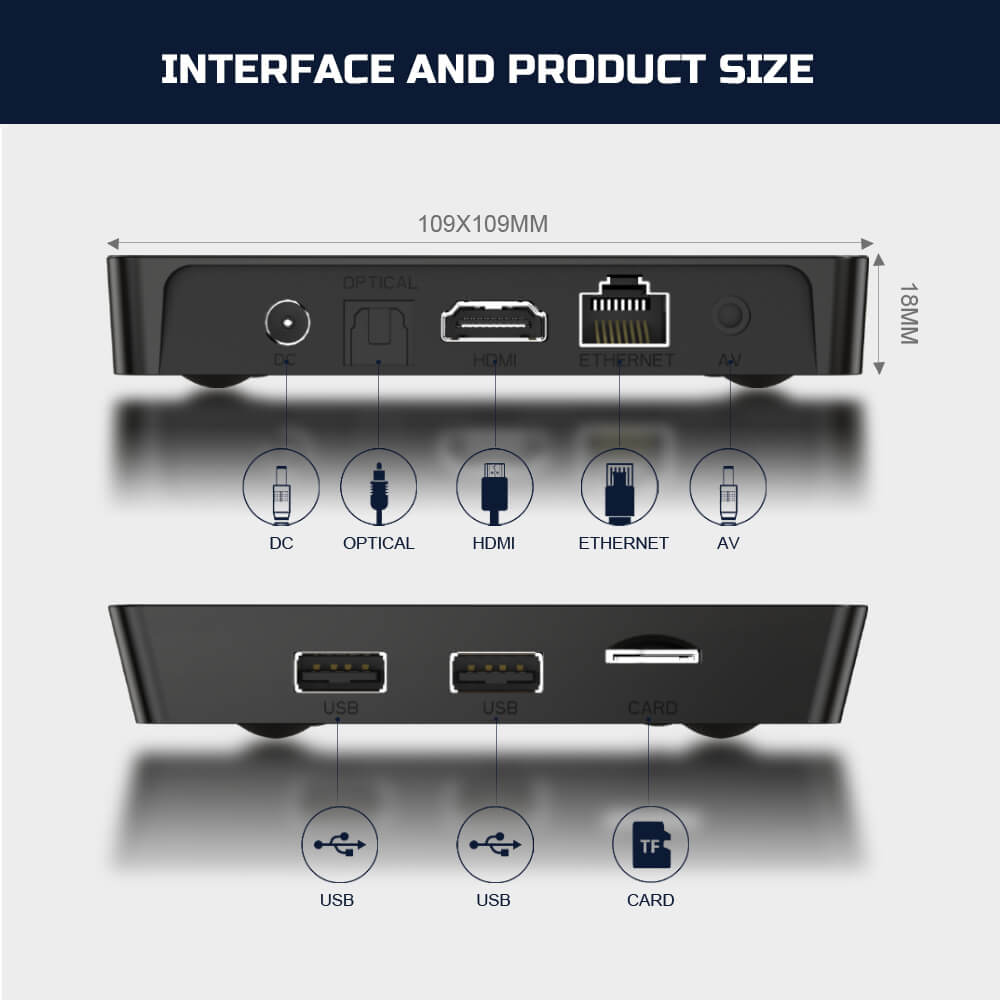
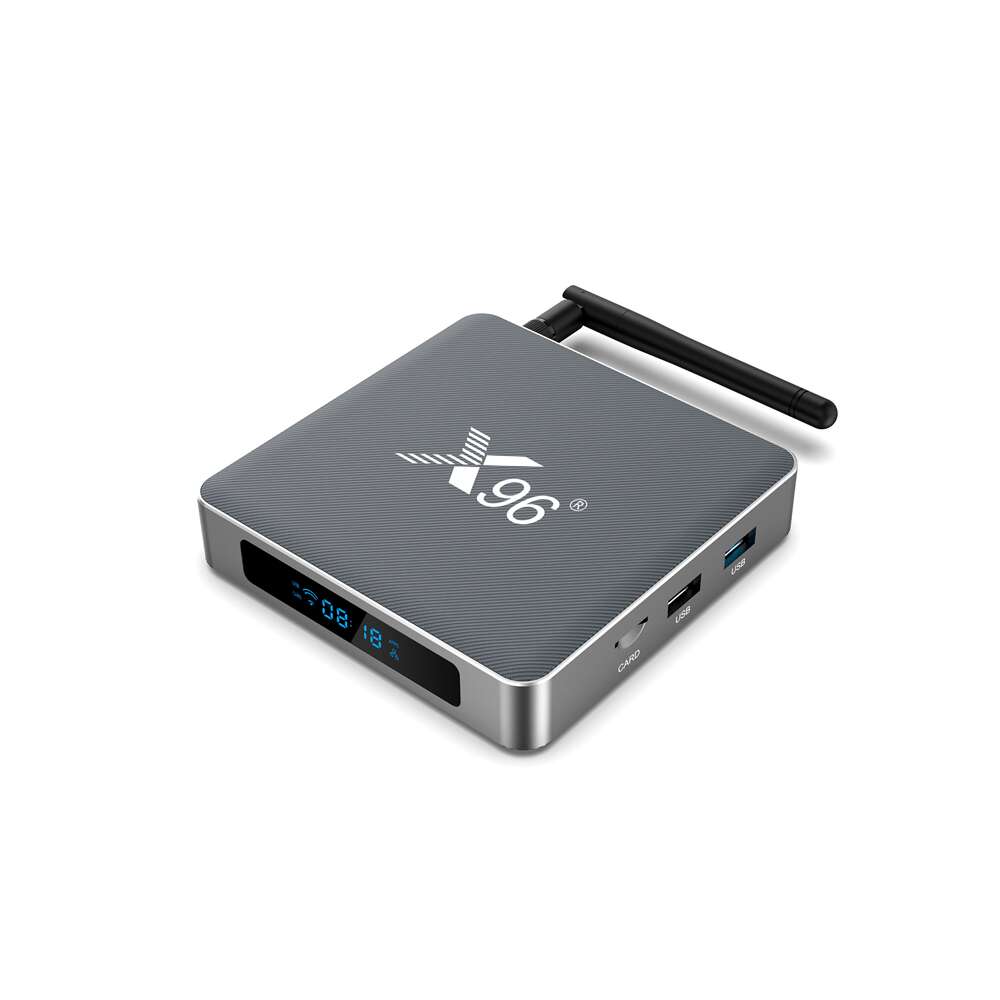
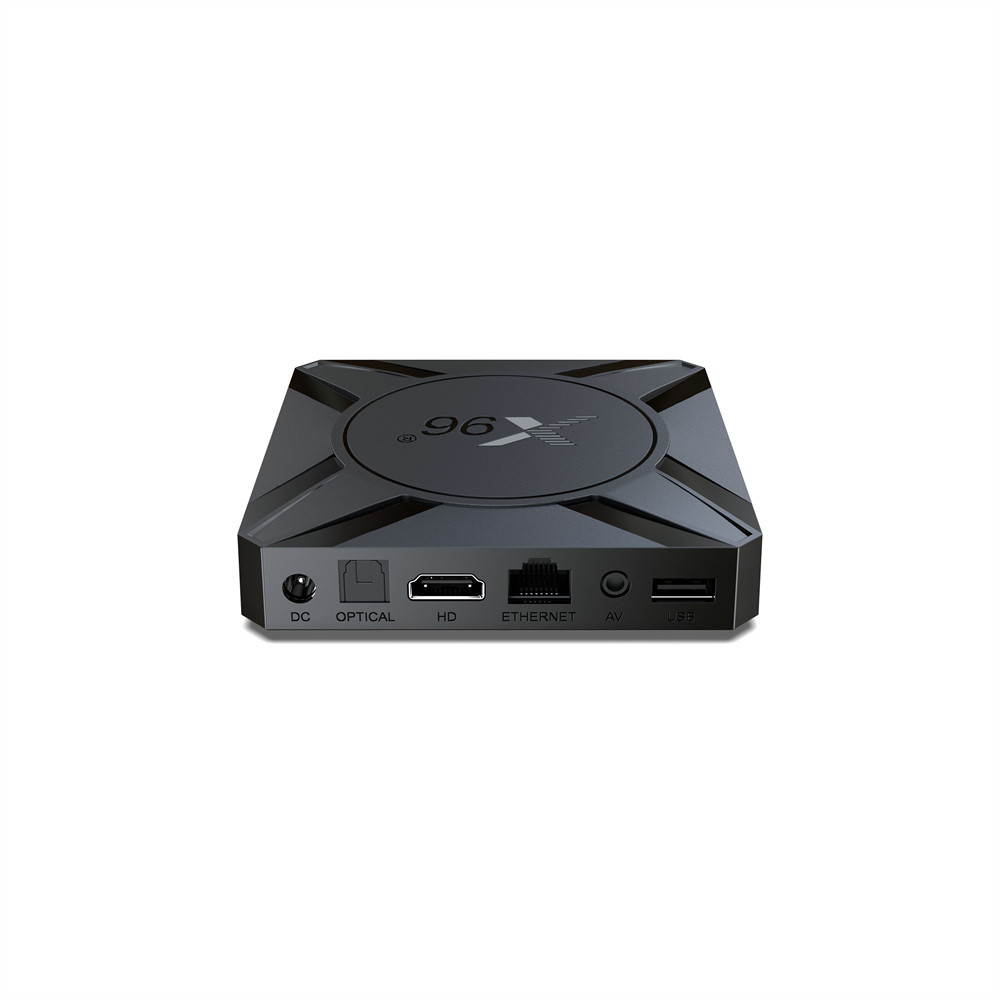
- I/O Port Customization: Configure physical port layouts including HDMI outputs, AV analog jacks for legacy displays, optical SPDIF audio ports, USB 2.0/3.0 interfaces, and MicroSD card expansion slots.
Software and Firmware Customisation
A reliable Allwinner H626 tv box solution involves deep software integration tailored to your business model:
- Custom Boot Logos and Animations: Imprint your brand identity from the second the device powers on.
- Tailored Android Launcher: Pre-configure custom home screens, lock down system settings, or display custom user interfaces designed for hospitality, digital signage, or specific IPTV operations.
- Pre-Installed Applications: Integrate proprietary streaming apps, middleware solutions, or remote device management software directly into the system partition.
- OTA Update Server Setup: We assist brand clients in configuring Over-The-Air firmware servers, ensuring deployed devices can receive security patches and feature updates globally without customer friction.
Wholesale Sourcing Considerations: Cost vs. Longevity
Choosing between the H616 and H626 platforms ultimately comes down to balancing unit costs against market longevity and target customer expectations.
The Allwinner H616 remains an extremely mature platform with vast stockpiles of proven software resources, open-source Linux developer communities (such as Armbian), and a mature supply chain. If your primary objective is securing the absolute lowest unit cost for tight-budget tender offers, massive giveaways, or highly price-sensitive markets, the H616 platform offers an unbeatable cost structure.
Conversely, for distributors building an enduring hardware brand, investing in an updated Allwinner H626 tv box yields superior long-term dividends. The refined 22nm thermal characteristics, native AV1 hardware decoding, superior software support cycle, and improved board-level stability reduce post-sale customer support costs and warranty claims. Furthermore, factory lead times for newer chipset platforms are often more predictable, as silicon foundries prioritize active wafer production lines for current-generation SoCs.
Quality Control and Factory Assembly Standards
Ordering bulk hardware from a China-based manufacturing partner requires rigorous quality management protocols at every stage of production. To guarantee that every hardware batch meets international standards, our assembly processes adhere to strict quality assurance steps:
- Incoming Quality Control (IQC): Every batch of Allwinner SoCs, memory chips, eMMC storage, and passive PCB components undergoes testing prior to surface-mount technology (SMT) assembly.
- SMT Automated Inspection: High-speed optical inspection (AOI) systems verify solder joint integrity across all micro-components, minimizing board-level defects.
- Burn-In and Aging Tests: Fully assembled PCB boards are placed in temperature-controlled aging chambers and subjected to 100% continuous high-load video playback stress tests for 4 to 12 hours before final casing assembly.
- Outgoing Quality Control (OQC): Final sampling inspections check port physical fit, Wi-Fi signal attenuation, HDMI CEC compliance, remote control responsiveness, and packaging completeness.
Frequently Asked Questions for B2B Sourcing Teams
What is the minimum order quantity (MOQ) for custom OEM orders?
For standard neutral devices, minimum order quantities can be as low as 100 to 500 units. For full OEM customization—including custom branded packaging, custom boot logos, custom housing silk-screening, and tailored software builds—the standard factory MOQ typically starts at 1,000 units per batch.
Can these boxes run customized Linux distributions or digital signage software?
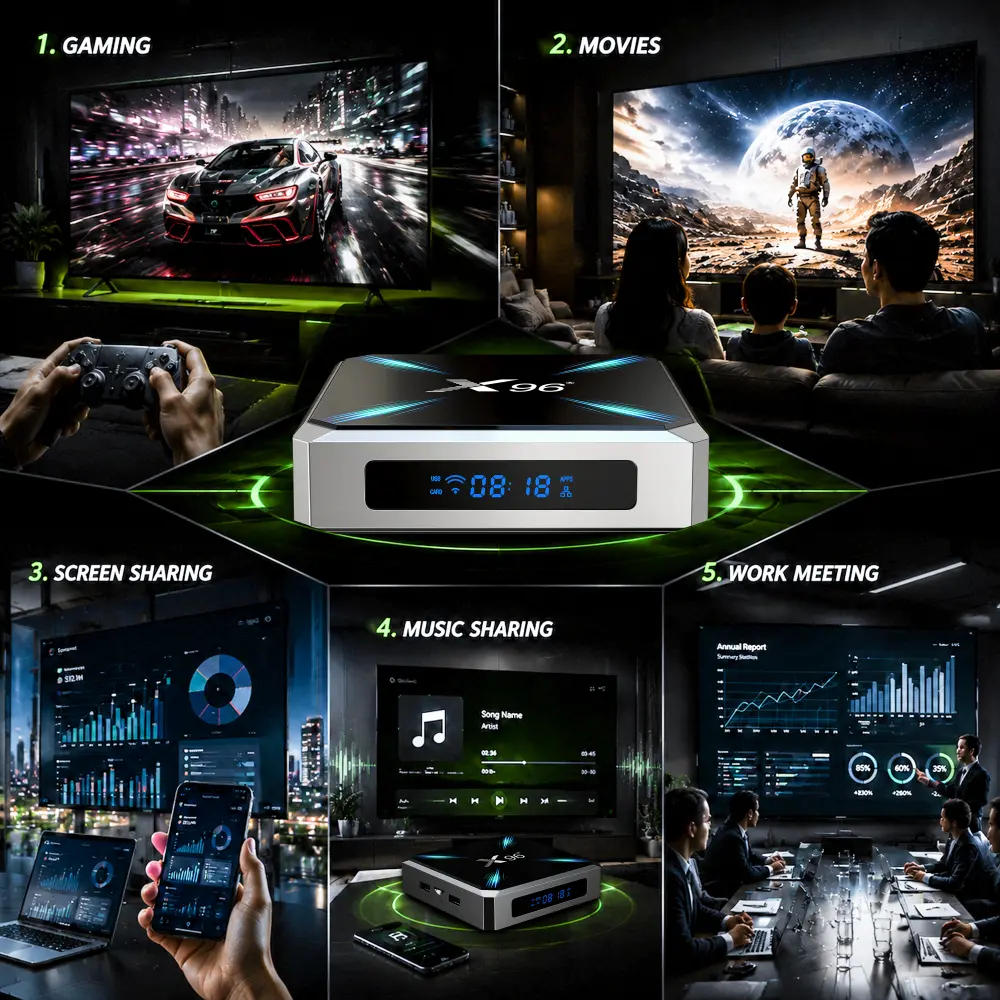
Yes. While most orders ship with optimized Android operating systems, both hardware platforms support customized Linux builds. They are widely deployed globally as digital signage controllers, IoT gateways, and lightweight media playback nodes.
Which international safety and radio certifications do your devices carry?
Our standard production models are built to comply with global import regulations, carrying CE, FCC, RoHS, and Telec certifications where required. Our regulatory compliance team can work alongside your sourcing department to secure specific regional certifications during the mass production phase.
Does H626 support AV1 hardware decoding?
Yes. H626 features native 4K@60fps AV1 hardware decoding, while H616 does not include AV1 hardware decoder. This is one of the most significant upgrades for modern streaming use cases.
Partnering with a Trusted China TV Box Manufacturer
Navigating the hardware landscape requires a manufacturing partner with deep engineering experience, transparent component sourcing, and rigid quality standards. By working directly with a primary OEM/ODM facility in Shenzhen, you cut out unnecessary trading markups, gain direct access to firmware engineers, and secure steady supply chain timelines.
Whether you choose to deploy a high-volume product line featuring the cost-effective H616 or launch an upgraded streaming player powered by an Allwinner H626 tv box, our team is ready to support your engineering and production requirements. Contact our sales engineering group today to request product samples, receive comprehensive BOM quotations, or schedule an online inspection of our manufacturing facility.
Leave a comment
All fields marked with an asterisk(*) are required